
Topic
Apostasy
4 sermons · All topics

The Warning Against Apostasy

Hebrews 10:26–31 is one of the most pastorally misread warning passages in the New Testament, and this expository sermon works carefully to distinguish the sin of apostasy from the ordinary, ongoing sin of weak believers. The apostate is not a struggling saint who confesses and seeks mercy; he is one who, having made an outward profession of faith, openly and obstinately repudiates Christ — trampling the Son of God underfoot, counting the blood of the covenant a common thing, and insulting the Spirit of grace. The sermon draws on Owen, Calvin, Gill, and Ursinus to establish that apostasy is a total, willful renunciation of the gospel, not any species of sin for which Christ has made atonement. Believers burdened by remaining corruption are urged to distinguish themselves from apostates by the very instinct that drives them to the throne of grace — and to make full use of the means of grace God has appointed to preserve them from the apostasy the passage warns against.
Is Your's a Borrowed Faith?

The narrative of Joash in 2 Chronicles 24 raises a searching question for every professing believer: is your faith genuinely your own, or have you been living on the borrowed spiritual capital of a godly mentor? Conrad Mbewe traces three lessons from the passage — the providential gift of godly role models, the dangerous possibility of a faith that is merely reflected rather than rooted, and the grace of God that erects barriers of conscience and prophetic warning along the road of unbelief. The sermon closes with a direct appeal: while godly influences remain within reach, now is the moment to examine whether your faith is a living reality wrought by the Spirit through regeneration, and if not, to come to Christ with all your brokenness.

The Rejection of Saul
Saul's disobedience in 1 Samuel 15 — sparing Agag and the best livestock against the explicit herem command — is not an isolated failure but the culminating point of a progressive apostasy rooted in disregard for the Word of God. The sermon traces the anatomy of that apostasy through Saul's blame-shifting, false piety, self-deception, and counterfeit repentance, setting him in deliberate contrast with David, whose genuine faith expressed itself in confession and flight to the mercy of God. The critical lesson is that great privilege within the covenant community — anointing, early victories, religious activity — does not confirm saving grace, and that obedience to the revealed Word of God, not religiosity, is the mark of the true people of God.
An Enemy Worse than the Philistines
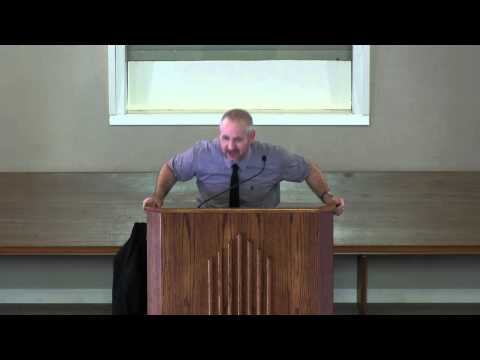
The silence of God toward King Saul in 1 Samuel 28 is a more terrifying reality than any Philistine army, and this sermon exposes why. Working through verses 3–25, the exposition traces Saul's apostasy from covenant member to enemy of Yahweh — a man who seeks a word from God through forbidden necromancy because God will no longer answer him through lawful means. The sermon draws a sharp contrast between Saul's utilitarian, self-serving religion and David's practice of strengthening himself in the Lord through the knowledge of God, the rehearsal of His promises, and the use of the means of grace. The congregation is exhorted to reckon honestly with remaining sin, to refuse the deceitfulness that masks spiritual defection, and to find in Christ's darkness on the cross the guarantee that no elect soul will ever be abandoned by God.