
Theological term
Supplication
4 sermons · All terms
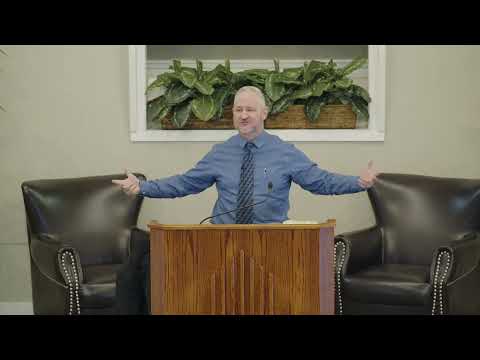
The Prayer of the Persecuted Church

When the early church faced arrest and official prohibition of gospel preaching, its first instinct was corporate prayer — not political agitation or fearful compliance. This exposition of Acts 4:23–31 traces the structure of that prayer: an invocation of God as sovereign Creator, an exposition of Psalm 2 applied to the conspiracy against Christ and his people, and a pointed supplication not for safety or comfort but for boldness to declare the word. The sermon calls the contemporary church to the same God-centred prayer, understanding persecution as something always beneath the sovereign hand of God, and faithfulness in proclamation as the unchanging vocation of every Christian steward.

Psalm 6
Psalm 6 is a psalm of desperate supplication — David bypasses every recommended pattern of ordered prayer and plunges directly into petition, driven by some combination of divine displeasure, physical affliction, and the threat of enemies. The sermon works through three movements: David's agony in verses 1–3, the arguments he marshals before God in verses 4–7 (resting on God's covenant love, the purpose of praise, and a frank recounting of his misery), and the assurance he reaches in verses 8–10 that Yahweh has heard and will answer. The governing application is that God's chesed — his covenant love that pledges never to let go — is both the ground of bold prayer and the foundation of confident assurance when answers are delayed.

The Prayer of the Church
Acts 4:23–31 records the first corporate prayer meeting of the apostolic church, gathered under threat from the Sanhedrin. The sermon traces three movements in the prayer — invocation of God as Creator and sovereign, exposition of Psalm 2 as prophetic preparation for the rage of nations against Christ and His people, and supplication not for the removal of threats but for boldness to preach the Word. The central argument is that a robust theology of creation, scriptural authority, and divine sovereignty is the necessary foundation of faithful prayer, and that the church's primary calling — confirmed by what the early church actually asked of God — is the bold proclamation of the gospel.
The Priority of Prayer in the Church
Paul's command in 1 Timothy 2:1–2 to offer supplications, prayers, intercessions, and thanksgivings for all men — including kings and those in authority — establishes corporate prayer as the first order of business in the life of the church. This sermon works through the four terms Paul employs, the scope of those for whom prayer is made (all classes of men, not every individual without exception), and the purpose clause that grounds the command: that the church may lead a quiet and peaceable life in all godliness and reverence so as to pursue the Great Commission. The exhortation to pray for governing authorities is traced across the canon, from the Babylonian exile in Jeremiah 29 through Ezra 6 and Psalm 2, demonstrating that intercession for civil rulers is no novelty in redemptive history. Hearers are called to replace complaint about government with prayer for the salvation of those in authority, trusting that God sovereignly moves the hearts of kings.