
Theological term
Lord of Hosts
3 sermons · All terms

The Refuge for God's People

Psalm 46 sets an axiomatic foundation — God is our refuge and strength, a very present help in trouble — from which the necessary inference follows: therefore we will not fear. This sermon works through the psalm's four movements: the affirmation of God's presence (vv. 1, 7, 11), the demonstration of God's power amid cosmic and political chaos (vv. 2–6), the contemplation of God's proven works in history (vv. 8–9), and the sovereign command of verse 10. The titles 'Lord of hosts' and 'God of Jacob' ground the psalm's confidence in both the divine warrior who fights for his people and the covenant Lord who cannot be separated from them — a comfort the New Covenant believer holds with even greater fullness in Christ.
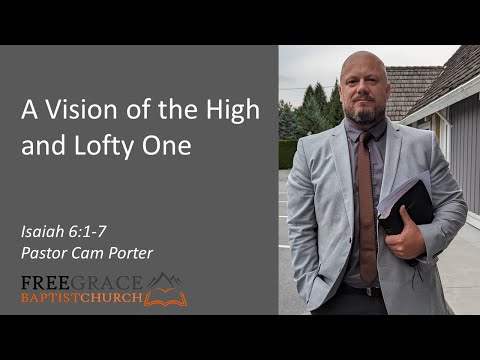
A Vision of the High and Lofty One

Isaiah 6:1–7 presents the prophet's visionary encounter with the enthroned Lord — holy, holy, holy — and his subsequent cleansing by a coal from the altar. This sermon works through five movements in the passage: the introductory contrast between dying earthly kings and the eternal High King of Heaven; the exemplary posture of the seraphim before the divine majesty; the superlative holiness, glorious titles, and unbounded presence of the Lord of hosts; Isaiah's fitting confession of his own uncleanness; and the gracious divine initiative in purification, which anticipates the definite atoning work of Christ. The congregation is called to approach the living God with the humility of Isaiah and the seraphim, confident that the same sovereign who commissioned his prophet will fill the whole earth with his glory through the proclamation of the gospel.

The Refuge for God's People
Psalm 46 sets the doctrine of God's sovereign presence as the only sufficient ground for courage in affliction. The psalm's threefold refrain — 'The Lord of hosts is with us; the God of Jacob is our refuge' — anchors the people of God against both natural catastrophe and the rage of hostile nations. Drawing on Job, the upper room discourse, Acts 14, and the letters to the seven churches in Revelation, this exposition argues that suffering is the normative texture of the Christian life, not an anomaly to be explained away. The command of verse 10 — 'Be still and know that I am God' — is not passive fatalism but a call to steady, covenant confidence in the God whose justice, power, and faithfulness guarantee the final exaltation of Christ among the nations.