
Theological term
Household Baptism
3 sermons · All terms

The Conversion of the Philippian Jailer

Acts 16:16–34 presents the arrest and imprisonment of Paul and Silas as the God-ordained means by which a Roman jailer was brought to saving faith in Jesus Christ. The sermon traces two movements: the exorcism of a python spirit that provoked false charges and a severe beating, and the subsequent earthquake and gospel conversation that issued in the jailer's conversion and household baptism. Paul and Silas's midnight prayers and hymns amid unjust suffering demonstrate that Christ is worth all suffering, while the jailer's question — 'What must I do to be saved?' — receives the apostolic answer: believe on the Lord Jesus Christ. The sermon closes with three baptisms that embody the same gospel the Philippian jailer heard, illustrating that believers' baptism by immersion is the fitting public sign of union with Christ in His death and resurrection.

The Second Missionary Journey, Part 2
Acts 16:6–15 traces the divine hand behind the second missionary journey's westward turn into Macedonia and the conversion of Lydia in Philippi. The Spirit's successive prohibitions of ministry in Asia and Bithynia are not judgments on those regions but demonstrations that God actively directs the missionary enterprise according to his sovereign purpose. The conversion of Lydia — a woman whose heart was dead in trespasses until God opened it to receive Paul's preaching — illustrates that the efficient cause of every conversion is divine grace, not human ingenuity, while the instrumentality of gospel proclamation and the responsibility of hearers to believe remain fully intact. The sermon calls the church to define missionary work precisely as the Spirit-sent, church-commissioned preaching of Christ crucified, rejecting both Arminian confidence in the sinner's free will and hyper-Calvinist reluctance to call sinners to faith.
The Conversion of Cornelius, Part 4
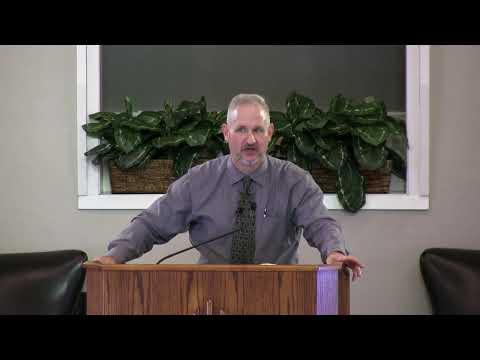
Acts 10:44–11:18 records the outpouring of the Holy Spirit upon Cornelius and his Gentile household and the controversy that erupted among Jewish believers in Jerusalem when Peter reported what had happened. The sermon examines the divine initiative behind Gentile inclusion in the covenant of grace, the cessationist significance of the tongue-speaking at this 'Gentile Pentecost,' the apostolic command of water baptism following credible conversion, and the collapse of Jewish objections before Peter's ordered defense. The passage's closing doxology — 'God has also granted to the Gentiles repentance to life' — presses home that faith, repentance, and the Spirit himself are gifts of sovereign grace, received through the preaching of Christ crucified and risen, apart from any work of the law.