
Theological term
Apostolic Tradition
3 sermons · All terms

The Third Missionary Journey, Part 6

Acts 20:28–31 records the Apostle Paul's pastoral charge to the Ephesian elders at Miletus — a charge that functions as the first pastors' conference in the new covenant era. The passage demands that elders take heed to themselves and to all the flock, that they shepherd the blood-bought church of God, and that they remain vigilant against both external persecution and internal doctrinal corruption. The theological weight of the phrase 'the church of God which He purchased with His own blood' opens into a precise treatment of the communication of idioms, establishing that the divine and human natures of the one person of Christ are the ground on which Scripture can speak of God's own blood. Ministers are called to feed the flock with the whole counsel of God, warned that savage wolves and ambitious false teachers will arise, and exhorted to watch and warn with the same tear-stained fidelity that marked Paul's three years in Ephesus.
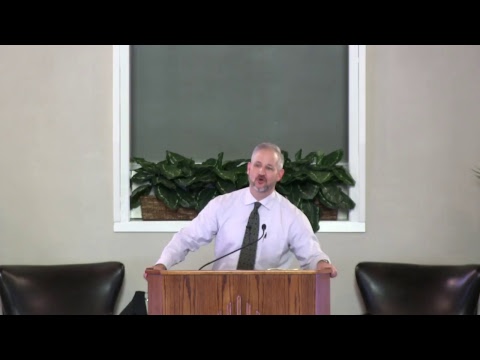
Introduction to the Book of Acts
The book of Acts is not merely a record of human achievement but theological history — the continuing acts of the risen and ascended Christ, who builds his church by the Spirit through apostolic agency. This introductory sermon on Acts 1:1–3 examines the authorship, date, purpose, and major themes of Acts, defending the apostolicity of Luke as a non-apostle who nonetheless wrote under apostolic oversight and companionship with Paul. The sermon anchors the entire book in three great themes: the glory of the triune God, the normative practice of the early church, and the unstoppable spread of the gospel — all driven by the necessity of the Christian gospel for sinners under a holy God.
The Exhortation and the Benediction

2 Thessalonians 2:15–17 closes a condensed apostolic letter with an exhortation and a benediction, and this sermon expounds both in turn. The exhortation — 'stand fast and hold the traditions' — summons believers to a posture of resolute, unified, apologetically vigorous fidelity to revealed apostolic doctrine, grounded in the certainty that the triune God saves from election to glorification. The benediction that follows prays that the same God who has loved his people and given them everlasting consolation by grace would comfort their hearts through believing the truth of Scripture and establish them in every good word and work. Listeners are called to resist the temptation to seek temporal, emotional remedies for troubled hearts, and instead to plant their eyes in the unshakeable promises of Holy Scripture.