
7 sermons · All speakers
Psalm 5
Psalm 5 is David's prayer tutorial, teaching the believer how to approach God in dangerous and difficult circumstances. The sermon works through four movements in the psalm: preparing prayer with ordered intentionality, grounding prayer in a precise knowledge of God's character, making requests on the basis of divine grace rather than personal merit, and declaring a confident assurance in Yahweh's protection of the righteous. Because God abhors not merely evil deeds but evildoers themselves outside of Christ, the believer can pray against oppression with holy boldness, resting in the promise that Yahweh's favor surrounds the righteous as an encompassing shield.

Psalm 6
Psalm 6 is a psalm of desperate supplication — David bypasses every recommended pattern of ordered prayer and plunges directly into petition, driven by some combination of divine displeasure, physical affliction, and the threat of enemies. The sermon works through three movements: David's agony in verses 1–3, the arguments he marshals before God in verses 4–7 (resting on God's covenant love, the purpose of praise, and a frank recounting of his misery), and the assurance he reaches in verses 8–10 that Yahweh has heard and will answer. The governing application is that God's chesed — his covenant love that pledges never to let go — is both the ground of bold prayer and the foundation of confident assurance when answers are delayed.
Psalm 33
Psalm 33 calls the people of God to praise the Lord for His sovereignty in creation and in history, grounding that praise in the character of a covenant-keeping God whose word is unfailingly right and whose purposes stand forever. The sermon moves through the psalm's three movements: the call to skillful, joyful worship; the manifold reasons for praise drawn from God's power over creation, His overruling of human counsel, and His providential care over His elect; and the psalmist's concluding resolution to wait on God alone as help and shield. Listeners are pressed to ask whether their worship reflects genuine delight in the sovereign God of Psalm 33 and whether their trust rests in Him rather than in any human means or strength.

Psalm 130
Psalm 130 traces the soul's movement from the depths of distress to triumphant hope, and this exposition works through the psalm's four movements: an intense cry to God from affliction, a humble confession resting on God's forgiving character, a trusting watchfulness grounded in God's Word, and a joyful expectation rooted in divine mercy and abundant redemption. The sermon grounds assurance not in personal performance but in the believer's covenant union with Christ, whose blood has sealed the pardon that God delights to bestow. Hearers are called to be people of the Word and of prayer, waiting expectantly upon a covenant-keeping God whose faithfulness is more certain than the rising of the morning.

07-22-2018 Am
Psalm 34 is an acrostic poem written by David to commemorate a low and shameful moment — his feigned madness before Abimelech recorded in 1 Samuel 21 — yet David weaves none of his own disgrace into the psalm, choosing instead to erect a memorial to God's mercy alone. The sermon works verse by verse through the psalm's two major divisions: verses 1–10, a hymn in which David praises God and exhorts the godly to constancy in faith, and verses 11–22, a sermon addressed to the people of God on how to live before the Lord. The central pastoral burden is that God's redeemed children, whatever the difficulty of their present circumstances, have every reason to bless the Lord at all times, cry to Him in their troubles, and rest assured that none who trust in Him shall ever be condemned.

Marks of a Real Christian
Deuteronomy 6:1–15 sets before Israel — and by extension all covenant people — seven marks of genuine, healthy Christian living: loving God, fearing God, obeying God, holding to sound doctrine, desiring heart religion, promoting truth to the next generation, and prizing the Word of God. The passage then turns to cautions against apostasy, warning that material abundance, forgetfulness of God, and idolatry are constant threats in every era of redemptive history, not merely in the Old Covenant. The sermon closes with a direct gospel appeal: these marks of real Christianity can only be pursued by those who first come to personal faith in the Lord Jesus Christ.
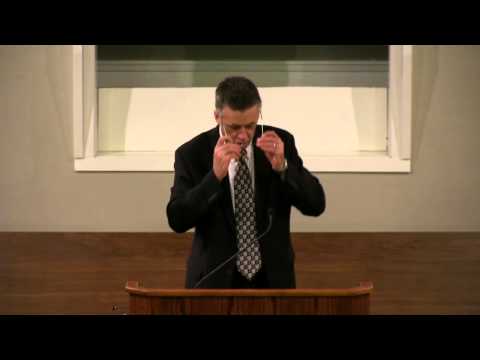
Prayer and Witness
Colossians 4:2–6 calls the Christian to a life of earnest, watchful, and thankful prayer, and to a witness before the world that is wise in conduct and gracious in speech. Working through Paul's four marks of effective prayer — persistence, vigilance, thanksgiving, and petition — the sermon shows that prayer is normal Christian living, not the province of an elite spiritual class. The exposition then turns to the two elements of faithful witness: a walk of wisdom toward outsiders and a conversation seasoned with grace and salt, grounded in the ability to answer the unbeliever with both meekness and clarity.