
Cited in sermons
William D. Mounce
5 sermons · All people cited
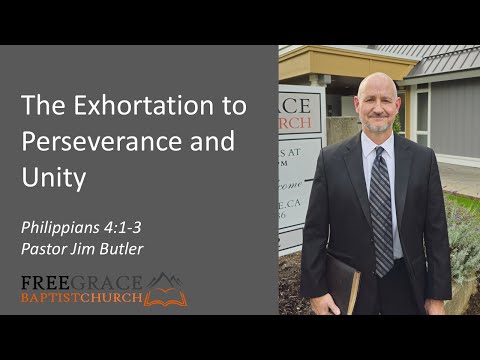
The Exhortation to Perseverance and Unity

Philippians 4:1–3 sets before the church two inseparable obligations: standing fast in the Lord and pursuing unity among the saints. Working through the apostle's affection for the Philippians, his call to perseverance, and the concrete dispute between Euodia and Syntyche, this sermon shows that the absence of unity both destroys the church and renders perseverance a near-impossible task. The biblical remedy for conflict — private confrontation, appeal to witnesses, and involvement of the church — is traced from Proverbs 18 and Matthew 18:15–20, with a complementarian reading of 1 Timothy 2 clarifying the nature of Euodia and Syntyche's gospel labor. Hearers are called to fasten their grips on Christ, his doctrines, and one another for the long haul of the Christian life.

The Qualifications for Elders, Part 2
What does Scripture require of a man before a church installs him as an elder? Expounding 1 Timothy 3:1–7 alongside Titus 1:5–9, this sermon completes a two-part treatment of the biblical qualifications for elders, focusing on the elder's maturity in the faith, his good testimony before outsiders, and his indispensable ability to teach. The danger of rushing a novice into office is pressed from multiple angles — pride, the church's welfare, and the man's own protection — before the sermon closes with practical exhortations to the congregation on praying for, identifying, examining, and where necessary excluding candidates for eldership.

The Qualifications for Elders
What qualities must a man possess before a church installs him as an elder? Expounding 1 Timothy 3:1–7, this sermon works through six categories of qualification: the man's desire for the office, his personal holiness, his domestic faithfulness, his spiritual maturity, his testimony among outsiders, and his aptness to teach. The three New Testament terms — elder, overseer, and pastor — are shown to be synonymous, describing one office whose governing instrument is the preached Word. The congregation is pressed to apply these qualifications rigorously, to test aspiring men through faithful churchmanship, and to resist the twin errors of setting the bar so low that unfit men enter and so high that no man can qualify.

The Conduct of God's Servant
Second Timothy 2:20–26 confronts the reality that the visible church always contains both honorable and dishonorable vessels, and calls God's servant to respond not with contentious disputation but with flight from youthful lusts, pursuit of righteousness, and gentle correction of those in error. Paul's metaphor of vessels in a great house is applied to Timothy's pastoral conduct: cleansing oneself from the influence of false teachers issues in sanctification and fitness for the Master's use. The closing verses ground the servant's patient, humble engagement in the doctrine of repentance as a sovereign gift of God — not merely a failure of argument or evidence, but a work of divine grace that alone restores men from the devil's snare to rational, truth-knowing life.

The Solid Foundation of God
The apostle Paul's charge to Timothy in 2 Timothy 2:16–19 to shun profane and idle babblings confronts the church with two realities: the devastating spread of doctrinal heresy and the unshakeable solidity of God's foundation. Paul names Hymenaeus and Philetus as concrete examples of men who, by denying the future bodily resurrection, not only increase in ungodliness themselves but overthrow the faith of others — a danger compared to gangrene consuming a body. Against this alarm, verse 19 supplies a double seal of comfort: the doctrine of election (the Lord knows those who are His) and the doctrine of sanctification (those who name Christ depart from iniquity), grounding the confidence that no heretical assault can ultimately destroy what God has established. The sermon applies these truths by calling the church both to vigilant doctrinal discipline and to fearless trust in God's sovereign preservation of His people.