
Cited in sermons
John Broadus
6 sermons · All people cited

The Great Commission

The Great Commission in Matthew 28:16–20 is grounded in the absolute authority of the risen Christ, who possesses all power in heaven and on earth and commissions His church to make disciples of all nations. The passage contains four grammatically imperatival commands — going, making disciples, baptizing, and teaching — each examined for its precise theological and ecclesiological force. Believers' baptism by immersion follows upon credible profession of faith, not the reverse, and the Trinitarian formula of baptism grounds the church's confession of one divine essence in three persons. The sermon closes by situating the Great Commission within the full passion narrative: the life, death, and resurrection of Christ are themselves the content the church is sent to proclaim, and Christ's omnipotence and omnipresence are the twin assurances that the commission will not fail.

The Great Commission
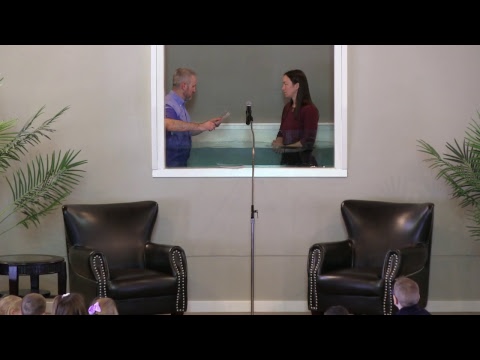
The Great Commission (Matthew 28:18–20) constitutes Christ's formal mandate to his church for this age: going, making disciples, baptizing believers, and teaching them to observe all that he commanded. The authority behind the commission is Christ's present, universal lordship — not a future investiture but a reigning reality — and the assurance sustaining it is his promised presence to the end of the age. Baptism is treated as believers' baptism by immersion, an initiatory ordinance that publicly identifies the disciple with the triune God and symbolises union with Christ in his death, burial, and resurrection. The sermon calls the church to be comprehensively about this single focused mission — preaching the gospel for justification, then grounding the justified in sanctification through the teaching ministry of the local church.
The Great Commission
Christ's Great Commission in Matthew 28:18–20 provides the church with her complete marching orders: go, make disciples, baptize those disciples, and teach them to observe all that Christ commanded. The authority behind the commission belongs to the risen and exalted Christ, who possesses all authority in heaven and earth; the assurance sustaining it is His promise of perpetual presence to the end of the age. The sermon treats the specific focus of the commission in sequence, defending believers' baptism by immersion as the pattern demanded by the text and the order it establishes — make disciples first, then baptize — against both baptismal regeneration and paedobaptism. The Trinitarian formula of baptism occasions an extended treatment of theology proper, including divine simplicity, impassibility, and the unity of essence in three persons, with warnings against tritheism, modalism, and subordinationism.
The Great Commission, Part 2
The Great Commission (Matthew 28:19) commands the church to make disciples of all nations — a task grounded not in human ingenuity but in the absolute authority of the risen Christ. This sermon distinguishes the institutional church's primary calling (gospel proclamation, baptism, and teaching) from the broader activities of individual believers, arguing that the church compromises her distinctive mission when she substitutes social amelioration for disciple-making. The command to baptize is examined in its proper order: conversion through gospel preaching precedes baptism, which is itself a sign of union with Christ, remission of sins, and newness of life — not a means of conferring salvation. Drawing on the Abrahamic covenant, the Isaianic servant songs, and the Messianic Psalms, the sermon traces the 'all nations' scope of the commission as the fulfillment of promises running from Genesis 12 through to the risen Lord's own declaration.
The Gracious Remedy
Matthew 7:7–11 presents prayer not as a religious technique but as the God-ordained remedy enabling believers to live as the Sermon on the Mount demands. The passage's four considerations — its connection to the preceding ethical instruction, the exhortation to persistent prayer, the promises given to those who pray, and the encouragement drawn from God's fatherly character — all converge on a single point: the emphasis falls not on the act of praying but on the God to whom we pray. Because the Father in heaven is neither a reluctant stranger nor a malicious tyrant, believers are called to ask, seek, and knock with confidence that He defines and supplies the good things His children truly need.
The Great Commission
Matthew 28:18–20, the Great Commission, grounds the church's evangelistic and discipleship mandate not in human strategy but in the universal authority of the enthroned Christ. The sermon traces three interlocking realities: the authority behind the commission (Christ's sovereign rule over all things), the activity the commission requires (making, baptizing, and teaching disciples), and the active agent who sustains it (Christ himself present with his people to the end of the age). Believers' baptism is expounded as a visible sign of union with Christ, remission of sins, and public covenant commitment — an ordinance reserved for disciples, not infants — and the entire commission is set within a robustly Calvinist framework in which God alone adds to his church by sovereign grace.