
Cited in sermons
Horatius Bonar
18 sermons · All people cited

The Qualifications for Elders, Part 4

The qualifications for elders in 1 Timothy 3:2 include a single gift amid a catalog of virtues: the ability to teach. This sermon examines what that aptness to teach requires — a thorough knowledge of Scripture, sound theology, and historical doctrine — and then surveys the apostolic theology of preaching from Romans 10, 1 Corinthians 1, and 2 Timothy 4, demonstrating that faithful preaching is the ordained means by which Christ Himself speaks to His people and faith is produced. The sermon concludes by calling the church to pray for, examine, and install biblically qualified men who will convince, rebuke, and exhort with longsuffering, unashamed before God rather than men.

The Psalmist's Contemplation on the Revelation of God, Part 1
Psalm 19:1–6 presents the doctrine of general revelation — God's self-disclosure through the created order — and David's prophetic anticipation of the gospel's universal proclamation. The sermon traces the content, constancy, and comprehensive scope of general revelation, grounding each observation in Paul's parallel argument in Romans 1:18–32. The expositor then argues, against Calvin's merely comparative reading, that Paul's citation of Psalm 19:4 in Romans 10:18 legitimizes a Christological interpretation of verses 4b–6, in which the sun typifies Christ the Son of Righteousness, the great Bridegroom of his church, whose gospel goes forth conquering to the ends of the earth. Hearers are called to receive the Son whose rays of saving grace cannot be stopped any more than the circuit of the sun.

The Deliverance of the Psalmist, Part 4
Psalm 18:46–50 closes with a threefold ascription of praise to the God who delivers His anointed King — a King who is not merely David but David's greater Son, the Lord Jesus Christ. The passage is expounded under four movements: the praise of God as the living Rock (v. 46), God as the God of vengeance and victory (v. 47), God as the God of deliverance and destruction (v. 48), and God as the God of grace and glory (v. 49), all grounded in the Davidic covenant of 2 Samuel 7. The sermon presses the church to find in the invincibility of God's covenant kingdom the steel needed to persevere through present affliction, and to ground all worship in the theological confession that the Lord lives, that Christ's righteousness is imputed to His people, and that God's promises are yea and amen in His Son.

The Lament of the Psalmist
Psalm 13 is a lament psalm of David that moves through raw grief — the perceived forgetfulness of God, the daily sorrow of the soul, and the threat of encroaching enemies — to a resolved trust in the covenant mercy of God. The sermon traces this trajectory through the true humanity of Christ, who himself prayed lamentingly in Gethsemane and on the cross, establishing lament as a legitimate and God-given vehicle of prayer for his people. Lament is distinguished sharply from whining: whining refuses to petition God and ends in despair, while biblical lament drives the soul toward God and terminates in doxology. The congregation is called to bring their distress boldly to the throne of grace, resting in the hesed of God covenanted to all who are found in Christ.

The Challenge and Confidence of the Psalmist
Psalm 10 presents a twofold movement: the challenge of the psalmist in verses 1–11, and the confidence of the psalmist in verses 12–18. The sermon argues that this psalm is not primarily about David's historical circumstances but about the earthly ministry of the Lord Jesus Christ — his humanity, his experience of apparent divine withdrawal, and his witness to the wickedness of those who conspired against him. The church, as joined to Christ, prays these words as her own, setting the promises of God against the troubled testimony of sense and experience, and resting in the certain reign of the Lord who will one day cause the man of the earth to oppress no more.

The Dominion of the Incarnate Son
Psalm 8 is not merely a meditation on creation but a messianic prophecy concerning the dominion of the incarnate Son of God. The sermon traces the psalm's double register — the glory of God manifest in the created order and the glory of God manifest in the incarnation — grounding that interpretation in the two New Testament passages where Jesus and the Apostle Paul explicitly apply Psalm 8 to Christ: Matthew 21 and Hebrews 2. The exaltation of the God-man at the right hand of the Father, his conquest of the devil through death, and his propitiation for the sins of his people are shown to be the true fulfillment of the dominion language of verses 4–8. Believers are exhorted to silence the enemy's accusations against them by invoking the blood and righteousness of Christ, which is the ground of both justification and assurance.

The Prayer of the Man of Sorrows
Psalm 6 is read christologically as the prayer of the man of sorrows — not merely a record of David's personal penitence, but a prophetic foreshadowing of Christ's redemptive anguish as the representative of his people. The doctrine of imputation grounds this reading: what Christ bears is not his own sin but the sin of those the Father gave him, laid upon him by divine appointment. The sermon works through two major sections of the psalm — the sorrow of the psalmist in verses 1–7 and the confidence of the psalmist in verses 8–10 — calling hearers to see their sin as atoned for by the Son of God and to live in light of that imputed righteousness, pursuing holiness and resting their prayers upon the same mercies Christ secured.

2LCF Chapter 17 - Of the Perseverance of the Saints

The perseverance of the saints — that those whom God has elected, called, justified, and sanctified will certainly be preserved unto final glorification — is examined through the three paragraphs of 2LCF Chapter 17. The doctrine rests not on the free will or native strength of the believer, but on the immutability of God's decree of election flowing from His free and unchangeable love, the perfect merit and ongoing intercession of Christ, the abiding of the Spirit, the principle of grace implanted within, and the inviolable nature of the covenant of grace. The certainty and infallibility of perseverance is therefore as secure as God Himself. Believers are exhorted not to neglect the means of grace — public worship, the preaching of the Word, the sacraments, prayer, and private and family devotion — for it is within those ordained means that God nourishes His people in faith, repentance, love, joy, and hope.
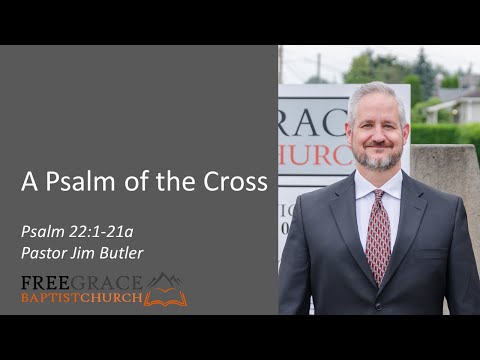
A Psalm of the Cross
Psalm 22 is a psalm of David written under prophetic inspiration, its true subject not David himself but his greater Son, the Lord Jesus Christ — who took its opening words upon his lips from the cross. The sermon works through verses 1–21a under three headings: the distress of the Messiah (the cry of dereliction rightly understood), the suffering of the Messiah at the hands of beastly men, and the confidence of the Messiah who never ceases to affirm the holiness, faithfulness, and presence of God even under the weight of divine wrath. The cry 'My God, my God, why have you forsaken me?' signifies not a rupture within the Trinity nor a dissolution of the hypostatic union, but the withdrawal of the Father's favor from the Son as our penal substitute — the Son receiving in himself the punishment due to sinners while continuing to petition the Father who heard him. Believers are exhorted to read the Old Testament through New Covenant eyes, singing the Psalms as words that belong to Christ and reveal dimensions of his suffering that even the Gospel narratives do not supply.

2LCF Chapter 18 - Of the Assurance of Grace and Salvation
Assurance of salvation is grounded not in the strength of faith or the quality of obedience but in the blood and righteousness of Jesus Christ revealed in the gospel. This exposition of 1689 London Baptist Confession chapter 18 works through the four paragraphs of that chapter: assurance stated, assurance grounded, assurance realized, and assurance disquieted. The objective foundation of assurance is the active and passive obedience of Christ, proclaimed in the gospel and sealed to the believer by the testimony of the Holy Spirit. Believers are called to rest upon Christ alone, to attend the ordinary means of grace, and to resist grounding their hope in their own acts of obedience.

The Lord's Assessment of John the Baptist - Matthew 11:2-15
Matthew 11:2-15 presents Christ's own assessment of John the Baptist, and this exposition works through two movements: the question John sends from prison concerning the Messiah's identity, and the Lord's threefold commendation of John as no mere reed, no court prophet, but the greatest born of women and the anti-typical Elijah. The sermon argues that John's struggle was not with who Jesus was but with the implications of the messianic reign — why the herald of judgment should languish in prison while the Messiah's full justice remained deferred — a tension the church in every age must learn to hold without abandoning confidence in God's sovereign timetable. Listeners are called to pray for and expect ministers who combine the light of sound exegesis with the heat of genuine conviction, men who, like John, neither fear nor flatter any flesh.

A Psalm of the Cross
Psalm 22 is a prophetic psalm of David that transcends David's own experience to describe with precision the suffering, death, and exaltation of the Messiah. The sermon examines the cry of dereliction ('My God, my God, why have you forsaken me?') with theological care, rejecting the notion that the Father abandoned the Son in any way that ruptured the Trinity or dissolved the hypostatic union, and instead grounding the forsakenness in the Son's substitutionary bearing of the wrath due his people. Three features of Messianic confidence sustain Christ through his ordeal — the holiness of God, the past faithfulness of God, and the invoked presence of God — and the congregation is called to meet their own trials with the same theological ballast that sustained the Savior on the cross.

The Condemnation of the Religious Leaders, Part 1
Matthew 23:13 introduces the first of eight woes Christ pronounces upon the scribes and Pharisees — men who, rather than opening the kingdom of heaven, slammed its door in the faces of those seeking entrance. The sermon establishes the prophetic precedent for Christ's condemnation by tracing the woe-oracle tradition through Isaiah and Habakkuk, and by grounding Christ's authority in the Deuteronomy 18 promise of the coming prophet. The first woe is shown to encapsulate all the rest: the religious leaders shut out others through hypocrisy, legalism, doctrinal heresy, and above all their rejection of Jesus as the Messiah. The sermon closes with a direct call to believe the gospel — to look to Christ and live, as Israel once looked to the bronze serpent in the wilderness.

The Precious Blood of Christ
What is the value of Christ's blood, and why does the New Testament insist that nothing corruptible — no silver, gold, or human religious tradition — can redeem a sinner? Drawing from 1 Peter 1:18–19 in the context of a Lord's Supper meditation, this sermon works through three considerations: the vanity of any bloodless redemption, the aimless sinfulness that necessitated a blood redemption, and the exclusive and infinite worth of Christ's precious blood. The application is direct — because believers have been purchased at such an infinite price, they are to hold Christ alone as precious and to conduct themselves in a manner worthy of that redemption.
The Day of Atonement
Leviticus 16, the legislation governing Israel's annual Day of Atonement, expounds four doctrines that find their fulfilment in the Lord Jesus Christ: the holiness of God who cannot be approached on human terms, the pervasive power of sin that contaminates even the high priest and the sanctuary itself, the absolute necessity of blood for the remission of sins, and the blessing of atonement — forgiveness, cleansing, and the removal of iniquity — that the two-goat ritual visibly enacted. The sermon presses these typological lessons into an indictment of contemporary preaching that has exchanged the blood atonement of Christ for therapeutic and social-reform substitutes, and closes by transitioning the congregation to the Lord's Supper as a new-covenant anamnesis of grace rather than guilt.
The Day of Atonement
Leviticus 16, the Day of Atonement, is not merely an obscure Mosaic ceremonial law but the Old Testament's most concentrated instruction in the holiness of God, the pervasive power of sin, and the absolute necessity of blood atonement. The passage is typological, pointing forward to Christ as the antitype who, unlike Aaron, offered no sacrifice for his own sin, shed his own blood rather than that of bulls and goats, and accomplished a once-for-all atonement rather than an annually repeated rite. The two goats together depict what Calvary accomplishes: propitiation (blood brought behind the veil) and expiation (sin carried away into the wilderness). The sermon is preached in the context of the Lord's Supper, where the anamnesis of Leviticus 16 — a yearly reminder of guilt — is transformed by the gospel into a remembrance of grace.
The Redemptive Act of God
Colossians 2:13–15 sets out four distinct facets of God's one redemptive act accomplished through Christ: regeneration of the spiritually dead, forgiveness of all trespasses, cancellation of the debt of law-breaking, and disarming of demonic principalities and powers at the cross. The totality of this divine work leaves no room for human supplement — not asceticism, not mysticism, not legalism — because God in Christ has secured the salvation of his elect entirely and irrevocably. The sermon presses believers toward grounding their daily assurance not in personal performance but in these objective acts of God recorded in Scripture.
God's Hand Stretched Out Against Judah
Zephaniah 1:1–13 announces the coming day of the Lord against the southern kingdom of Judah, cataloguing the sins that provoke divine judgment: idolatry (including Baal worship and astral cults), syncretism, practical atheism, and religious complacency. The text reveals that God's privileged covenant people are held to a stricter standard precisely because they have received more — a pattern the apostle Peter confirms when he writes that judgment begins at the house of God. The sermon presses these ancient indictments as a mirror for the contemporary church, calling believers to repent of the same patterns, to be zealous rather than complacent, and to respond to the prospect of divine wrath not by fleeing God but by seeking Him, seeking righteousness, and seeking humility.