
Cited in sermons
Charles Spurgeon
571 sermons · All people cited

The Importance of the Knowledge of Christ

The most important question ever asked — 'Who do you say that I am?' — exposes a crisis in the contemporary church: a Ligonier survey found that 78% of polled evangelical Christians answered that Jesus Christ is the highest creature of God, effectively the ancient Arian heresy. This sermon works through Matthew 16:13–20 as a launching point, pressing seven reasons why the knowledge of Christ is of supreme importance: He is the scope of Scripture, eternal life hinges on a right knowledge of His person, the gospel is about Him, He is the exclusive way of salvation, all redemptive benefits are found in Him, the church's commission is given by and about Him, and our present and future hope rests in Him alone. The practical import of Christology — rightly defined as the dignity of Christ's person and the virtue of His office — is shown to bear on worship, humility, beneficence, good works, and steadfast confession.

The Divine Provision of Eternal Life

Isaiah 55 presents God's gracious and urgent invitation to sinners to receive the fullness of salvation — the refreshment, gladness, and nourishment of the gospel — entirely without cost, because the suffering servant of Isaiah 53 has already satisfied the purchase price. The sermon expounds the chapter in two movements: the invitation to come (vv. 1–5), grounded in the new covenant and secured by the Davidic king, and the call to faith and repentance (vv. 6–13), sustained by the sovereign power of God's Word. Believers are urged to treasure the abundance of every spiritual blessing already given in Christ, and unbelievers are warned not to squander their lives on what cannot satisfy while the Lord may yet be found.

The Prophet Under the Broom Tree
What was Elijah actually doing under the broom tree — fleeing in faithless self-pity, or acting out of zealous grief for the glory of God? Working through 1 Kings 19:1–18, this sermon challenges the dominant commentatorial tradition that reads Elijah's flight and depression as a crisis of faith, arguing instead that his despondency was provoked by legitimate covenantal grief over Israel's continued apostasy after the contest at Carmel. God's response — rest, food, a journey to Horeb, and a formal covenant lawsuit — vindicates the prophet and reveals the divine program of justice and grace through Hazael, Jehu, Elisha, and a reserved remnant of 7,000. The pastoral application is direct: faithful people suffer depression, and those who minister to them must respond with the same patience, kindness, and provision that Yahweh himself showed to Elijah.

The Deliberation of the Council
Acts 4:13–22 records the Sanhedrin's deliberation over Peter and John following the healing of a lame man and the apostolic proclamation of Christ's resurrection. The council faces an insoluble dilemma: the miracle is undeniable and publicly known, yet to leave the apostles unchallenged is to permit the gospel to spread unchecked. This sermon traces two broad movements — the deliberation of the council (vv. 13–17) and the attempt to silence the apostles (vv. 18–22) — and draws out the benefits of being with Jesus as seen in the apostles' boldness and wisdom, alongside the liabilities that attend any attempt to suppress the word of God. The application presses believers to pray for men of gospel courage and to resist every pressure, civil or ecclesiastical, to silence the name of Christ.

The Wisdom of Little Things
Proverbs 30:24–28 presents four creatures — the ant, the rock badger, the locust, and the spider — each marked by a specific weakness yet compensating for it with exceeding wisdom. The sermon argues that God instructs his people through the created order, calling them to self-awareness of their own limitations and to the cultivation of corresponding wisdom: industry, caution, unity, and persistence. These virtues apply both to temporal life and to the eternal — preparing for judgment, fleeing temptation by hiding in Christ the Rock, advancing together under his kingship, and persisting in grace after failure. The unconverted are pressed to prepare for the coming day of God's judgment while the summer of opportunity remains.

Matthew 8:23-27
Matthew 8:23–27 presents the stilling of the storm on the Sea of Galilee as a window into both the true humanity and the full divinity of the Lord Jesus Christ. The passage exposes the disciples' little faith — not absent faith — and rebukes the perennial temptation to treat temporal prosperity as the measure of God's favor. Christ's presence in the boat does not exempt believers from storms, but it does guarantee that he will see them through every trial he ordains for their conformity to himself.

A Psalm of the Cross
Psalm 22 is a prophetic psalm of David that transcends David's own experience to describe with precision the suffering, death, and exaltation of the Messiah. The sermon examines the cry of dereliction ('My God, my God, why have you forsaken me?') with theological care, rejecting the notion that the Father abandoned the Son in any way that ruptured the Trinity or dissolved the hypostatic union, and instead grounding the forsakenness in the Son's substitutionary bearing of the wrath due his people. Three features of Messianic confidence sustain Christ through his ordeal — the holiness of God, the past faithfulness of God, and the invoked presence of God — and the congregation is called to meet their own trials with the same theological ballast that sustained the Savior on the cross.
The Death, Burial, and Resurrection of Christ
What is the gospel, and why does its content matter for the Lord's Supper? Expounding 1 Corinthians 15:1–20 with focused attention on verses 3–4, this sermon argues that the gospel is defined by three inseparable historical and theological events: the death, burial, and resurrection of Christ. Each event carries precise atoning weight — the death is substitutionary, propitiatory, and expiatory; the burial confirms the reality of that death and sets the stage for resurrection; the resurrection vindicates Christ's saving work, bears witness to the justification of his people, and establishes him as judge of the living and the dead. Delivered in the context of the Lord's Supper, the sermon calls believers to a wonder-filled, theologically informed observance of the ordinance, and warns unbelievers that the risen Christ who died for sinners will also be their judge.
The Precious Blood of Christ
1 Peter 1:18–20 presents the redemption accomplished by Christ as grounded in the infinite value of his sinless sacrifice, the eternal decree of the triune God, and the certainty of its historical occurrence. This sermon expounds three dimensions of the 'precious blood of Christ': its surpassing worth measured against corruptible earthly things; its origin in the determined counsel of God before the foundation of the world; and its singular reality as a manifest historical event attested by eyewitnesses. The Lord's Supper, observed the same evening, provides the pastoral occasion for calling both believers to joyful reflection on the blood that cleanses from all iniquity and unbelievers to repentance and faith in the one Lamb without blemish and without spot.

The Application of Psalm 16 to Jesus Christ
Peter's sermon at Pentecost in Acts 2:24–32 hinges on a single exegetical claim: Psalm 16 is not about David but about the Messiah, and the Messiah is Jesus of Nazareth. The sermon works through Peter's two-part argument — the declaration of the resurrection in verse 24 and the prophetic proof from Psalm 16 in verses 25–32 — showing that it was impossible for death to hold Christ because the Father had sworn otherwise in the Davidic covenant. Believers are urged to pray Psalm 16 as their own, trusting that the same God who raised Christ from the grave is their preserver, their joy, and their confident hope through death and into resurrection.

The Fulfilment of Joel's Prophecy
Acts 2:14–21 records Peter's explanation that the Pentecostal outpouring of the Holy Spirit is the fulfilment, not a mere pre-fulfilment, of Joel 2:28–32. The sermon addresses three interlocking questions: what 'the last days' means (the entire Messianic age from Christ's first coming to his return, with a specific reference to the covenantal termination of Old Covenant Israel in AD 70), what the abundance of the Spirit's outpouring means for the New Covenant community (every believer, without distinction of gender, age, or class, receives the Spirit as seal and guarantee), and why the sign gifts of tongues and prophecy are no longer in force (the completed canon fulfils Daniel 9:24's sealing of vision and prophecy). The sermon closes with a direct call to sinners to do the one thing Joel and Peter both demand: call on the name of the Lord Jesus Christ and be saved.

Of Baptism (2LCF29)
Baptism, as confessed in chapter 29 of the Second London Baptist Confession of Faith (2LCF), is examined here as a divine and mediatorial ordinance instituted by Jesus Christ for the New Testament church. The exposition grounds the doctrine of baptism in a web of interconnected doctrines — Scripture, the covenant of grace, effectual calling, union with Christ, and the regulative principle of worship — demonstrating that believers' baptism by immersion is the necessary conclusion of consistently applied Reformed theology. The confession's fourfold structure is traced: what baptism is, to whom it is properly administered, in what element, and by what mode, with sustained argument from Romans 6, Galatians 3, Mark 16, and Matthew 28 that only professing believers are lawful recipients of the ordinance.

The Replacement for Judas
The replacement of Judas Iscariot in Acts 1:12–26 raises questions about the nature of apostolic authority, the sovereignty of God over human treachery, and the continuing rule of the risen Christ over his church. Peter's leadership in securing Matthias as the twelfth apostle demonstrates that the apostolic college was not dissolved by Judas's defection but reconstituted by Christ's own direction — through prayer, Scripture, and the casting of lots. The sharp contrast between Peter, restored by grace after his denial, and Judas, who went to his own place as a reprobate, anchors the sermon's gospel appeal: no sin is too great for the pardoning mercy of God in Christ, and sinners are urged to look to Christ and live.

The Doubter Turned Confessor
Thomas's refusal to believe the disciples' eyewitness testimony of the risen Christ is one of the most emphatic denials of the resurrection in the New Testament — not mere doubt, but obstinate, threefold rejection of Scripture, Christ's own words, and apostolic witness. When Jesus appears and meets Thomas's exact conditions, Thomas confesses 'My Lord and my God,' bookending John's Gospel with the same declaration of Christ's deity found in its opening verse. The sermon expounds John 20:24–31 in two movements: the post-resurrection appearance to Thomas and the stated purpose of John's Gospel — that all who read it might believe and have life in Christ's name. Hearers are urged to stop placing conditions on God, to confess with Thomas that Jesus is Lord and God, and to avail themselves of the church's theological resources to grow beyond a superficial grasp of cardinal doctrines such as the Trinity.

Free Grace Baptist Church - March 18, 2018 AM
Matthew 28:18–20 closes Matthew's Gospel with the Great Commission, grounding the church's entire mission in the absolute authority and perpetual presence of Christ. The sermon draws out three implications from Christ's promise 'I am with you always': his presence should promote appreciation for the church past and present, concern for the church now and in the future, and confidence that Christ actively equips her through a trained gospel ministry. Ephesians 4 is opened at length to show that the gifts Christ gives his church are gifted men — apostles, prophets, evangelists, pastors, and teachers — whose threefold purpose is to equip the saints, fulfil the work of ministry, and edify the body toward mature knowledge of the Son of God. The sermon closes with a call to unbelievers, directing them to Matthew 1:21, 20:28, and 11:28–30 as the purpose, means, and gracious offer of Christ's saving work.

2LCF Chapter 26 - Of the Church, Part 12
Church discipline is not an optional appendage to church life but one of the three marks of the true church, alongside pure preaching and right administration of the sacraments. This exposition of 2LCF 26.12 and Matthew 18:15 establishes first that formal church membership is a biblical obligation for all believers — evidenced from Acts, Hebrews, and the Thessalonian epistles — and then that membership entails real liability to the church's censures and government. The sermon focuses on the first step of Matthew 18's disciplinary process: private confrontation, its proper aim (winning a brother), its proper disposition (humility, love, and a willingness to be shown a misunderstanding), and the complementary obligations of the one being rebuked.

2 Kings 22:1-20
The discovery of the Book of the Law during Josiah's temple repairs exposes the deep covenantal unfaithfulness of Judah and provokes a model of humble repentance that stands as a rebuke to every generation. Huldah the prophetess confirms that divine judgment on the nation is certain and irreversible, yet God extends personal mercy to Josiah because his heart was tender before the Word. The sermon traces the proper response to Scripture — trembling reception, genuine internal contrition, and active reformation — against the background of Josiah's exemplary reign and the warnings of Deuteronomy 28. The hearer is called to receive the implanted Word with meekness, to confess sin honestly rather than conceal it, and to resist the slow drift toward apostasy by giving earnest heed to all that God has spoken.

Free Grace Baptist Church - February 11, 2018 PM
James 4:1-6 exposes two devastating fruits of what James calls 'demonic wisdom': conflict with one another (vv. 1-2a) and enmity with God (vv. 2b-6). The source of both is unmortified lust — the unrestrained desire for pleasure, riches, and worldly greatness that breeds wars, fights, covetousness, and wicked prayer among professing believers. The sermon presses the congregation to trace every form of church conflict and spiritual adultery back to pride, and closes with the transitional mercy of verse 6: that despite all this, God gives more grace to the humble.

The Empty Tomb and the Risen Lord
The empty tomb of Matthew 28:1–10 is not merely an absence but a proclamation: Christ was raised bodily from the dead by the Father, vindicating His atoning work and confirming every prophetic word He spoke. The sermon works through the discovery of the empty tomb by the women and the appearance of the risen Lord, attending carefully to the apologetic weight of the narrative details — the guards' terror, the invitation to examine the tomb, the folded graveclothes, and the physical feet of Jesus grasped in worship. The message closes with 1 Corinthians 15, pressing the stakes of the resurrection: without it, faith is futile and sin remains unatoned; because Christ is risen, justification, sanctification, and glorification are secured for all His brethren.

The Burial of Jesus
Matthew 27:57–66 records the burial of Jesus Christ — a passage easily overlooked between the crucifixion and resurrection accounts, yet one that carries significant theological, apologetic, and pastoral weight. The burial confirms that Jesus truly died, marks the completion of his humiliation as the second Adam, and establishes the historical ground on which the resurrection stands as an undeniable public event. The section also presents a stark contrast between the courageous devotion of Joseph of Arimathea, Nicodemus, and the faithful women, and the cynical scheming of the chief priests and Pharisees — whose very precautions to prevent a 'fake' resurrection unwittingly served to make the genuine resurrection that much more incontrovertible. The tomb of Christ removes the fear of the grave for his people and grounds their certain hope in the resurrection of the dead.

The Sixth Commandment
The sixth commandment, 'You shall not murder' (Deuteronomy 5:17), rests upon the foundation of the imago Dei — the conviction that every human being, from the pre-born to the elderly, bears the image of the Creator, and that to assault an image-bearer is to assault God himself. The sermon distinguishes murder from lawful killing, arguing from Genesis 9, Exodus 22, and Romans 13 that capital punishment, self-defense, and just war are not violations of the commandment but are grounded in the same principle that makes murder heinous: the sanctity of human life. Modern applications — abortion, euthanasia, and the neglect of capital punishment — are examined in light of both Old and New Testament texts, and the sermon closes by directing those who have participated in these sins to the pardoning grace of Christ.

The Angelic Word & Song
What did the angels announce to the shepherds on the night of Christ's birth, and why does it matter for sinners today? Expounding Luke 2:10–14, this sermon traces the angelic word and the angelic song under two headings, showing that the announcement is one of greatest significance, greatest joy, universal scope, and divine salvation — a Savior who is Christ the Lord, born in fulfillment of Old Testament promise (2 Samuel 7, Isaiah 9:6, Micah 5:2) and condescending from infinite glory to a feed trough. The sermon calls hearers to hasten their gaze upon this Christ, to hitch the joy of their lives to the triune God and His gospel alone, and to believe on the Lord Jesus Christ for everlasting life.

The Three-Fold Exhortation
Hebrews 10:19–25 sets forth a two-fold foundation and a three-fold exhortation for corporate Christian life. The foundation is Christ's blood-purchased boldness of access into the holiest and His abiding high-priestly intercession — both of which make the old-covenant sacrificial system not merely obsolete but inferior in kind, not degree. From that foundation the apostle issues three commands: draw near with a true heart in full assurance, hold fast the confession of hope without wavering, and (deferred to a subsequent sermon) consider one another to stir up love and good works. The sermon presses hearers to root their weekly confidence not in the quality of their obedience but in the dignity of Christ's person and the virtue of His once-for-all sacrifice.

The Sacrifice Remembered
What does it mean to remember the death of Christ at the Lord's Supper? Examining 1 Peter 1:18–20, this sermon traces three dimensions of that remembrance: the incomparable value of Christ's precious blood over all corruptible earthly things, the eternal and love-driven divine purpose behind the atonement foreordained before the foundation of the world, and the singular historical reality of the incarnation and sacrifice. The congregation is called to prize Christ above every earthly attachment and to observe the Lord's Supper with the gravity and joy befitting so great a Savior.
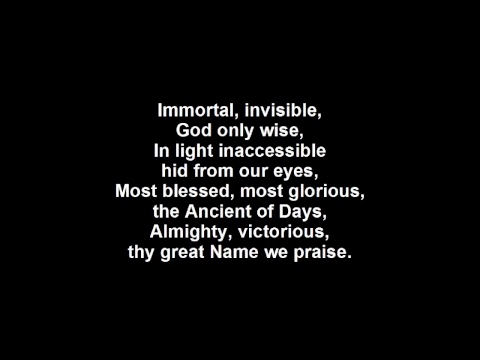
Free Grace Baptist Church - November 26, 2017 PM
Titus 3:3–7 expounds the full arc of sovereign grace: the grave former state of all believers in foolishness, disobedience, and depravity; the divine condescension by which God's kindness and love appeared in Christ; and the sovereign power of the Holy Spirit in washing and regenerating dead sinners to new life. Salvation is not by works of righteousness which we have done but entirely according to divine mercy, secured through Jesus Christ alone and applied by the Holy Spirit — a triunely accomplished redemption that eliminates all boasting in self and grounds the believer's perseverance in the immutability of God's electing love.

Of Religious Worship and the Sabbath Day, Part 2 (2LCF 22)
The Christian Sabbath is not a Puritan invention but a moral, perpetual commandment binding all men in all ages, now observed on the first day of the week in light of Christ's resurrection. This session of the 1689 London Baptist Confession study works through the ministry of Christ, the resurrection accounts, the apostolic pattern of first-day gathering, and the typology of Hebrews 4 to establish that a weekly Sabbath rest remains for the people of God in the new covenant era. The change of day from the seventh to the first reflects the inauguration of the new creation by the risen Christ, just as the Father rested on the seventh day of the old creation. Hearers are urged to receive the Lord's Day as a gracious gift — a weekly 'market day of the soul' pointing forward to the consummated rest that has not yet fully come.

The Crucifixion of Jesus, Part 4
Matthew 27:47–50 records the final moments before Christ's death on the cross — the mockery of bystanders who misheard his cry of dereliction as a call for Elijah, the offering of sour wine, and his loud, voluntary yielding of his spirit. The sermon examines what the cry of dereliction does and does not teach: it does not indicate a division within the Trinity, a dissolution of the hypostatic union, or patripassianism, but it does express the qualified, temporary withholding of the Father's favour from the Son as he bore the punishment due to his people. Christ's loud cry at the moment of death demonstrates that he laid down his life sovereignly and willingly, not as a victim overcome by suffering but as a priest offering himself as substitute. The only fitting response to this substitutionary sacrifice is not moral self-improvement but worship, gratitude, and faith in the one who was forsaken so that his people would never be forsaken.

Redemption Accomplished
The sixth word from the cross — 'It is finished' (John 19:30) — is a single Greek verb carrying the full weight of accomplished redemption. This sermon works through the explanation and then the application of that cry, showing that Christ's tetelestai declares the fulfillment of messianic Scripture, the termination of Old Covenant types and shadows, the completion of the Father's redemptive plan, and the full accomplishment of redemption: active righteousness secured, divine wrath exhausted, the devil defeated, sin finished, every spiritual blessing purchased, and death itself marked for destruction. The application presses the church to rest her comfort and security not in her own performance but in the finished work of Christ alone, the only ground of justification by faith.

Free Grace Baptist Church - October 29, 2017 PM
John's call to love one another in 1 John 2:7–11 is neither a novel ethical program nor a mark of spiritual achievement — it is an ancient commandment that has taken on new shape in the light of Christ's own love, death, and resurrection. The sermon works through three movements: the nature of the commandment to love, the terrifying spiritual blindness of the one who hates his brother, and the assurance given to the one who loves. God's own electing, sacrificial love — not human moral effort — is the spring and motive of all genuine love for the brethren, and that love in turn becomes an evidence and assurance of saving faith.

The Crucifixion of Jesus, Part 3
Matthew 27:45–46 records the darkest three hours of history and the lone saying of Christ that Matthew preserves from the cross: 'My God, my God, why have you forsaken me?' This sermon works through the cry of dereliction with careful attention to what the text does and does not teach, ruling out any ontological division within the Trinity, any dissolution of the hypostatic union, and any notion that all three persons suffered at Calvary. The forsakenness Christ voiced was real — a qualified withdrawal of the Father's consolatory smile and favour, not an abandonment of love — because Christ stood as the covenant surety of his people, bearing the punishment of loss that sinners deserve. The gospel comfort that follows is decisive: because Christ cried 'Why have you forsaken me?' those united to him by faith will never have to.