
Cited in sermons
Alexander McLaren
3 sermons · All people cited
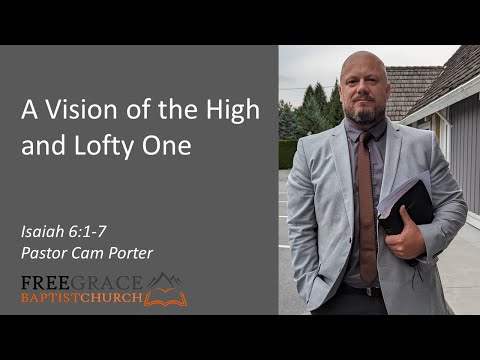
A Vision of the High and Lofty One

Isaiah 6:1–7 presents the prophet's visionary encounter with the enthroned Lord — holy, holy, holy — and his subsequent cleansing by a coal from the altar. This sermon works through five movements in the passage: the introductory contrast between dying earthly kings and the eternal High King of Heaven; the exemplary posture of the seraphim before the divine majesty; the superlative holiness, glorious titles, and unbounded presence of the Lord of hosts; Isaiah's fitting confession of his own uncleanness; and the gracious divine initiative in purification, which anticipates the definite atoning work of Christ. The congregation is called to approach the living God with the humility of Isaiah and the seraphim, confident that the same sovereign who commissioned his prophet will fill the whole earth with his glory through the proclamation of the gospel.
1 Samuel 29

God's providential deliverance of David from an impossible dilemma — being compelled to march against Israel with the Philistines — and the immediate plunge into the disaster at Ziklag raise a single pressing question: how does a believer endure when the last straw is not the last straw? Working through 1 Samuel 29–30:8, this study traces two movements: the Lord using the objections of the Philistine lords to extract David from his dilemma without David having to act, and the devastation at Ziklag that arrives the moment he returns home. The sermon draws out three means by which David strengthened himself in the Lord his God — the experiential knowledge of God, the promises of God rehearsed through fellowship, and the use of the means of grace — setting these against the contrasting figure of Saul, who in the same crisis had no priest, no ephod, and no word from the Lord.
1 Samuel 9-10:16
God's providence over ordinary circumstances is the governing theme of 1 Samuel 9–10:16: a search for lost donkeys becomes the instrument by which Yahweh identifies and anoints Israel's first king. The passage is read in three movements — providence (the lost donkeys, vv. 1–14), interpretation (the meeting with Samuel, vv. 15–27), and fulfillment (the anointing of Saul, 10:1–16). Throughout, God's relentless mercy toward a people who had just rejected him as king serves as a window into the unchanging covenant love of God toward his people. The study closes with an exhortation to draw genuine comfort from Scripture, including Romans 8:28, and to maintain the inseparability of Word and Spirit in the life of faith.